
Social insects exhibit distinct caste differentiation and division of labor. Understanding how social insects develop diverse morphological, behavioral, and life history traits has long been a key goal in paleontology, evolutionary biology, and developmental biology. Bumblebees, as semi-social insects occupying an intermediate stage between solitary and eusocial life, are ideal organisms for studying this question.
Recently, an interdisciplinary team composed of Prof. WANG Bo from the Nanjing Institute of Geology and Palaeontology, Chinese Academy of Sciences (NIGPAS), Prof. WU Jianing from Sun Yat-sen University, and Prof. ZHAO Jieliang from Beijing Institute of Technology provided a new explanation for the foraging division of labor mechanism in bumblebees from the perspectives of fluid dynamics, morphology, and ecology. The study revealed that subtle variations in the microstructure of functional organs can influence division of labor at the colony level. The paper was published in the Proceedings of the National Academy of Sciences on January 12, 2026.
Bumblebees have evolved a unique mouthpart. During nectar collection, its glossa performs rapid back-and-forth movements to continuously capture and transport nectar into the mouth. The glossa is densely covered with thousands of slender hairs, which spread out as the glossa extends and are crucial microstructures for nectar collection. The research team conducted detailed morphological characterization of the glossa using scanning electron microscopy. Based on the dissection of 99 bumblebees, the glossa length ranges approximately from 4 to 10 mm. Larger bumblebees possess longer glossae and wider hair spacing. Meanwhile, as the queen is the highest-ranking and largest individual in the colony, representing the extreme state of morphological data, the hair spacing on the queen's glossa remains relatively constant at 40–50 μm regardless of body size, whereas in workers, hair spacing varies between 15 and 45 μm depending on body size.
The research team simulated nectar by preparing sucrose solutions with varying sugar concentrations and injected them into glass capillaries with a diameter of 1 mm to mimic natural corolla scenarios for bumblebees to collect. Using high-speed microphotography, they quantitatively measured the volume of nectar ingested per glossa reciprocation. The study found that as individual body size increases, the volume ingested per reciprocation generally increases, but this growth is significantly slower than the rate at which the internal available space of the glossa increases with body size. Larger bumblebees do not proportionally gain higher effective intake. Particularly for queens, even with body sizes similar to workers, due to their wider hair spacing, the nectar fill rate of their glossa is lower than that of workers. In summary, larger bumblebees with wider hair spacing find it more difficult to effectively utilize the internal space of their glossa for nectar storage.
Based on high-speed microimaging, the research team discovered that when the glossa retracts, adjacent hairs form curved air-liquid interfaces, providing an additional capillary pressure gradient that enhances the entrainment of viscous nectar. This additional capillary pressure balances hydrostatic pressure. When hair spacing widens or glossa length increases, the liquid-carrying capacity of the glossa decreases. Besides the surface tension of the liquid, viscosity also plays a role in nectar capture. Due to growth constraints of the glossa structure, under natural conditions when bumblebee body size increases, their mouthparts cannot meet the optimal scaling relationship, causing gravity to dominate and thereby reducing the nectar fill rate.
This study, through multidisciplinary evidence, reveals the allometric growth pattern of the bumblebee glossa structure. This scaling relationship leads to a decrease in nectar fill rate, physically limiting the nectar collection efficiency of larger bumblebees and providing an explanation for the scientific question, "Why do queens stop foraging?" At the engineering level, this research offers inspiration for bioinspired interfaces and liquid transport systems, potentially aiding in the design of tools for micro-liquid sample collection and detection.
This research was supported by the National Natural Science Foundation of China.
Reference:Huang Zexiang, Wu Shumeng, Wu Qinglin, Mai Tianyu, Zhao Jieliang, Wang Bo, Wu Jianing (2026) Tongue microstructure physically constrains division of labor in bumblebee foraging. PNAS, 123: e2527391123. https://doi.org/10.1073/pnas.2527391123.
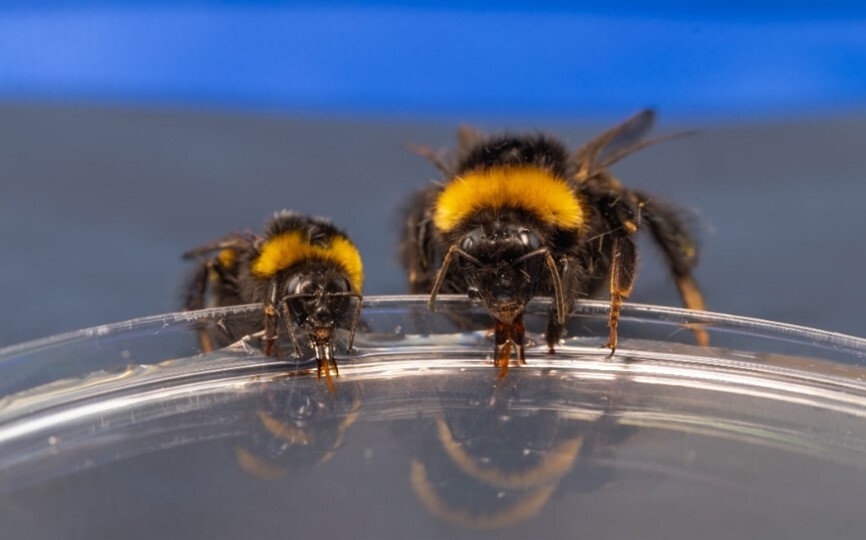
Fig.1 Bumblebee worker (left) and queen (right) feeding on artificial nectar in the laboratory
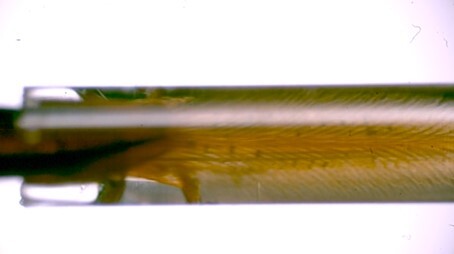
Fig.2 High-speed microphotography of bumblebee collecting artificial nectar
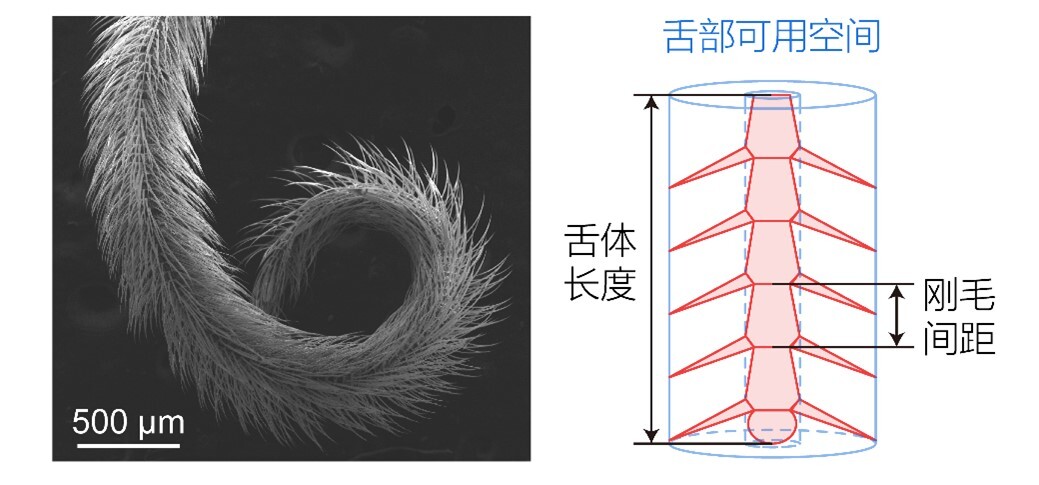
Fig.3 Scanning electron microscope image and schematic diagram of the glossa
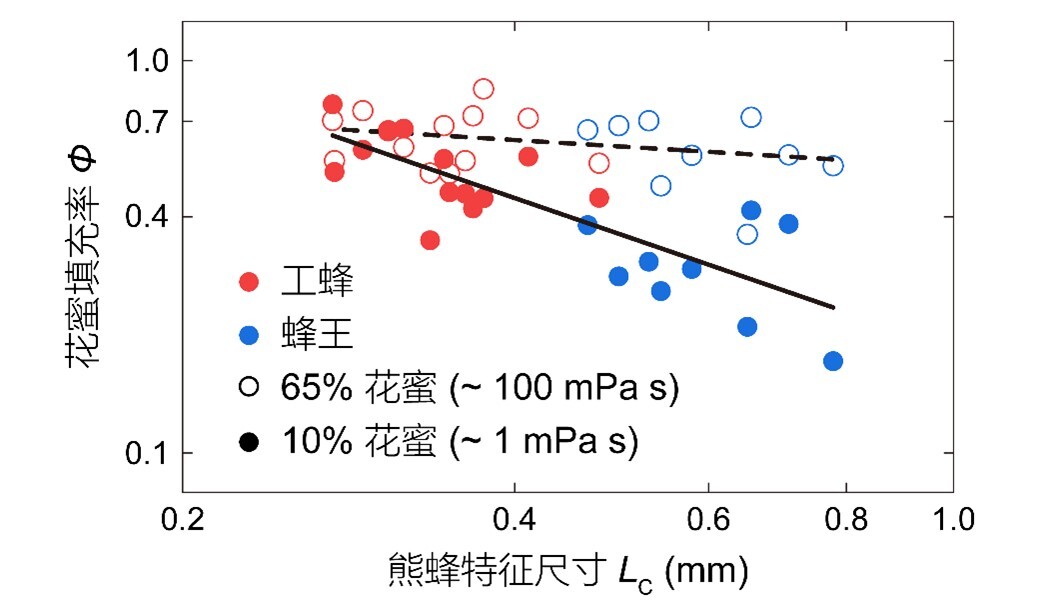
Fig.4 Comparison of nectar collection efficiency between workers and queens
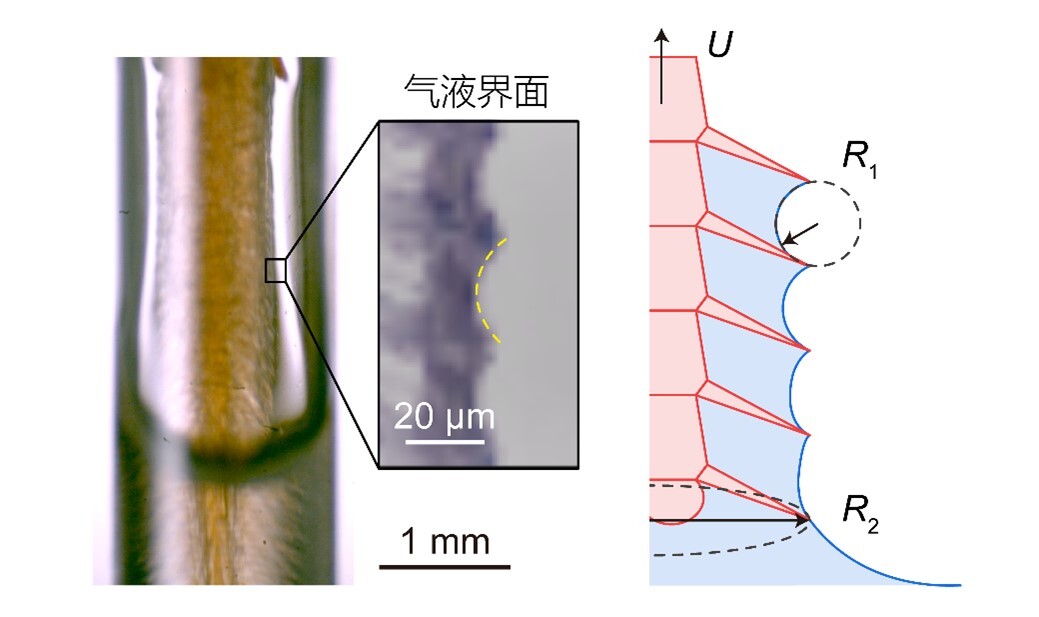
Fig.5 Schematic diagram of the viscous-capillary entrainment principle
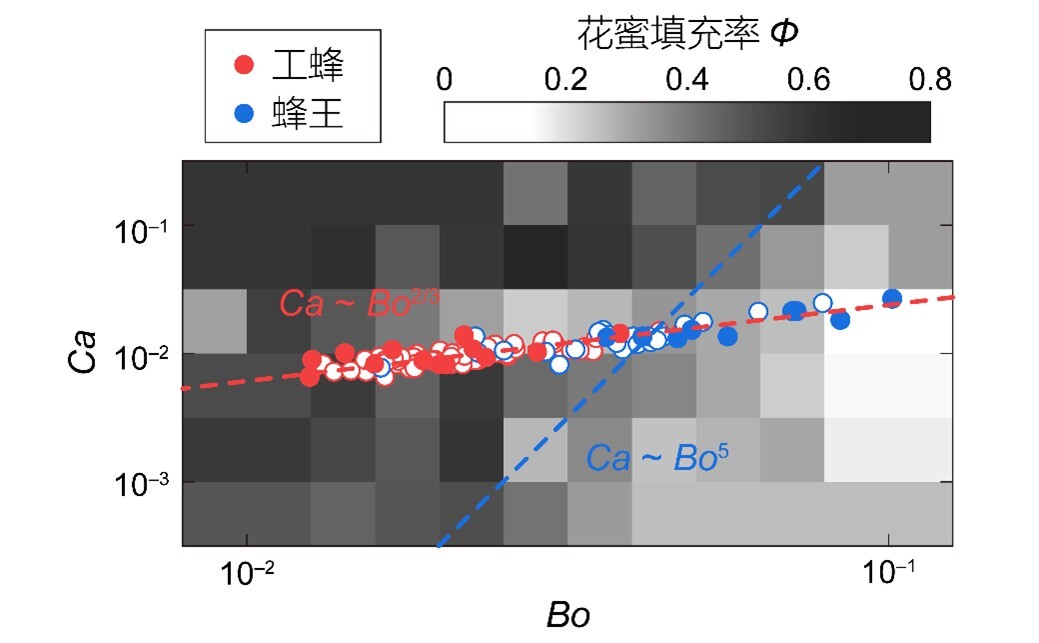
Fig.6 Theoretical framework for nectar uptake
Download: