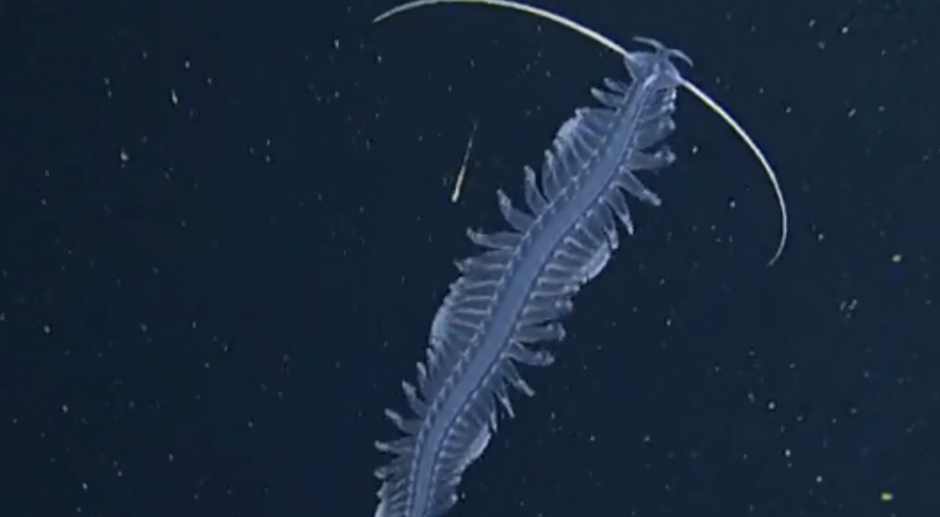
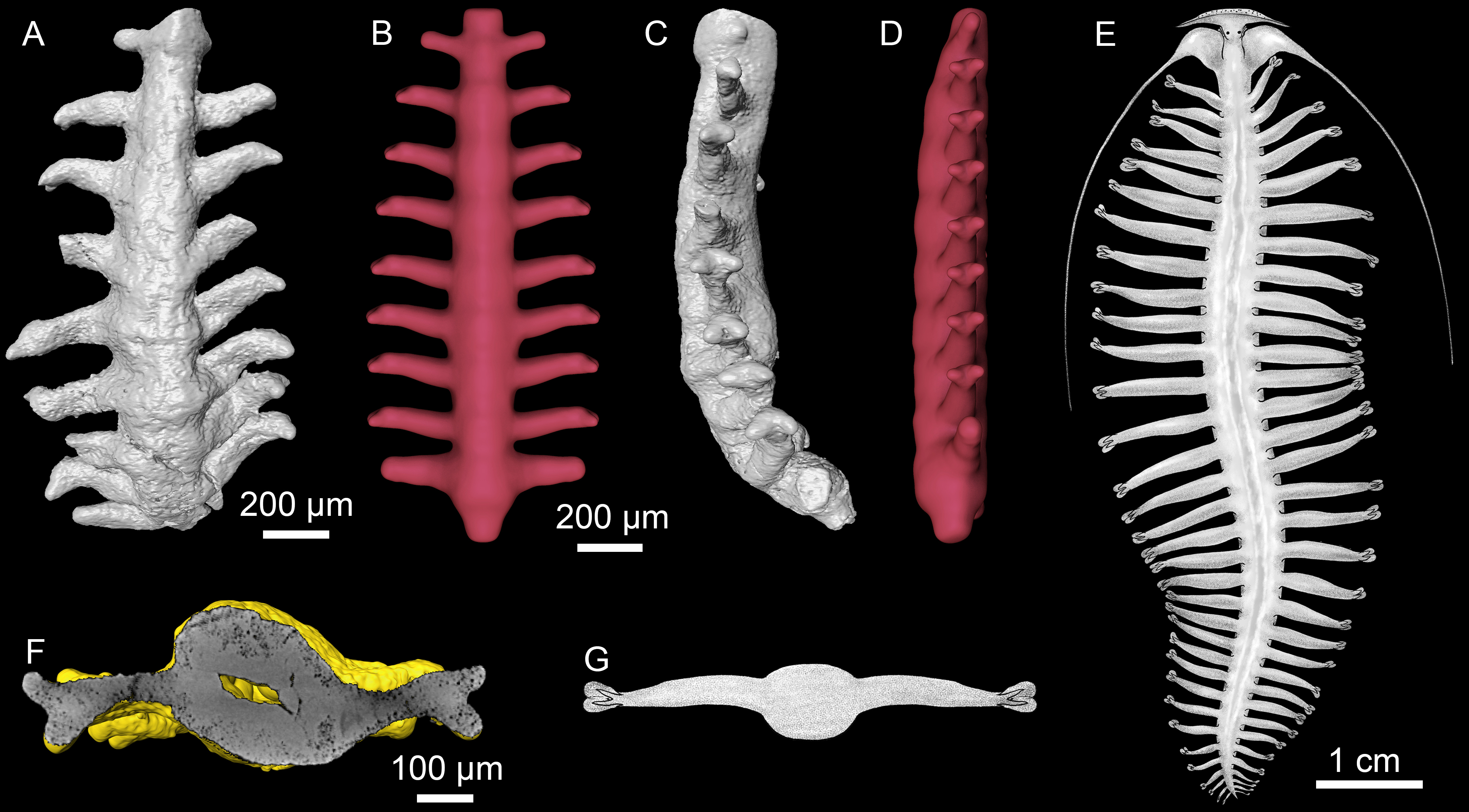
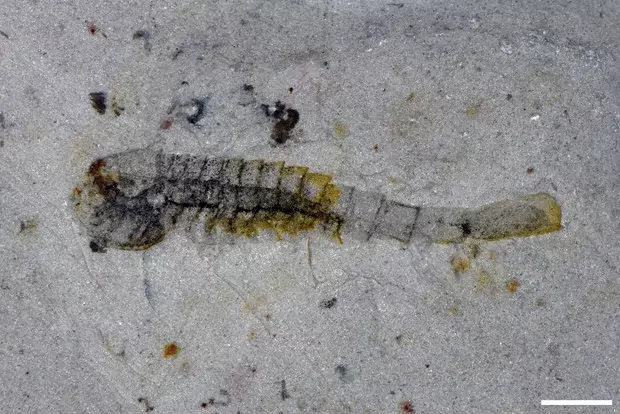
Scientists have uncovered the earliest fossil evidence of annelids (ringed worms) in Cambrian microfossils dating back approximately 535 million years ago. This discovery offers fresh insights into the origin and early evolution of the annelids, a group of animals that includes bristle worms, earthworms, leeches, and peanut worms.A–C, Kuanchuanpivermis brevicruris, holotype; B–D, Zhangjiagoivermis longicruris, holotype (ZHANG Huaqiao)cientists have uncovered the earliest fossil evidence of annelids (ringed worms) in Cambrian microfossils dating back approximately 535 million years ago. This discovery offers fresh insights into the origin and early evolution of the annelids, a group of animals that includes bristle worms, earthworms, leeches, and peanut worms.The study, led by researchers from the Nanjing Institute of Geology and Palaeontology of the Chinese Academy of Sciences (NIGPAS), in collaboration with Virginia Tech, LMU Munich, and the First Institute of Oceanography of the Ministry of Natural Resources of China, was published in PNAS on April 20.Annelida is one of the most diverse and ecologically widespread animal phyla. It has traditionally been divided into three classes: Polychaeta (bristle worms), Oligochaeta (earthworms and their relatives), and Hirudinea (leeches and their relatives). The latter two classes constitute the clade Clitellata. However, phylogenetic analyses indicate that Clitellata is nested within the paraphyletic Polychaeta and that several groups previously considered as separate phyla (Echiura, Sipuncula, Orthonectida, Pogonophora, and Vestimentifera) are actually members of Annelida.Several Ediacaran fossils, including Yilingia and cloudinids, have been tentatively interpreted as annelids. The most widely accepted annelid fossils, however, are sipunculans and polychaetes that have been found exclusively in Cambrian Burgess Shale-type fossil assemblages (dating to less than 518 million years ago) and are preserved as flattened macrofossils.Given this, the researchers explored Orsten-type fossil localities from the earliest Cambrian period to fill this fossil gap.They discovered seven millimeter-sized phosphatized fossils preserved as endocasts of trunk parts from the early Fortunian Kuanchuanpu Formation (dating to 535 million years ago) in China. These fossils replicate the space surrounded by the integument. The trunk is segmented with paired lateral or ventrolateral appendages that may be shorter or longer than the width of the corresponding segment. Based on these characteristics, the researchers established two new genera and species: Kuanchuanpivermis brevicruris and Zhangjiagoivermis longicruris.Each appendage terminates in a bifurcation into two lobes of equal, subequal, or even unequal size and morphology. The appendages of the current specimens are comparable to the biramous parapodia of polychaete annelids. In particular, the appendages of Zhangjiagoivermis longicruris show notable similarities to those of living tomopterids. Accordingly, the two distal lobes on the appendages are comparable to notopodium and neuropodium.Through detailed comparisons, the researchers ruled out alternative interpretations, such as that the fossils might belong to algae, gut structures (midgut with cecae), lobopodians, tardigrades, onychophorans, and arthropods. Instead, the anatomical features suggest that they are most likely polychaete annelids.Trunk segments and biramous parapodia may have existed prior to the last common ancestor of living annelids. Therefore, Kuanchuanpivermis brevicruris and Zhangjiagoivermis longicruris are interpreted as annelids.The study also sheds light on the early ecological diversification of annelids. The shorter appendages of Kuanchuanpivermis brevicruris suggest a benthic lifestyle similar to that of modern nereids. In contrast, the longer appendages of Zhangjiagoivermis longicruris indicate a pelagic lifestyle, representing the earliest known pelagic annelid. However, due to their small size and the physical constraints of their environment, these early worms likely moved more slowly than their modern counterparts.Taken together, these findings provide the first evidence of annelid body fossils from Cambrian Orsten-type fossil localities. They indicate that early annelids were polychaetes and thus support the hypothesis that polychaete morphologies were primitive among annelids.The findings show that early annelids had evolved benthic and pelagic lifestyles during the early Fortunian, thereby extending the fossil record of pelagic annelids to around 535 million years ago. They support the phylogenetic analyses resolving polychaetes as a paraphyletic group and imply that total-group annelids may have originated prior to the Cambrian explosion.This work was funded by the Strategic Priority Research Program of CAS, the National Natural Science Foundation of China, and the National Science Foundation of the United States.
An international research team led by Chinese scientists has discovered the oldest known body fossils of annelids, extending the evolutionary record of a major animal group by more than 10 million years to 535 million years ago, according to the Nanjing Institute of Geology and Palaeontology, Chinese Academy of Sciences (NIGPAS).Comparison between Zhangjiagoivermis longicruris (A-D, F) and Tomopteris (E, G). Photo: Courtesy of Zhang Huaqiao of the Nanjing Institute of Geology and PalaeontologyAn international research team led by Chinese scientists has discovered the oldest known body fossils of annelids, extending the evolutionary record of a major animal group by more than 10 million years to 535 million years ago, according to the Nanjing Institute of Geology and Palaeontology, Chinese Academy of Sciences (NIGPAS).The findings come from fossils uncovered in the Kuanchuanpu formation in Northwest China's Shaanxi Province. The site dates to about 535 million years ago, the earliest stage of the Cambrian Period, a critical interval when most major animal groups first appeared and rapidly diversified.The study was published in the Proceedings of the National Academy of Sciences of the United States of America on Tuesday. It describes seven tiny fossil specimens that preserve the internal molds of ancient worms through phosphate mineralization.Annelids, also known as ringed worms, are among the most species-rich and ecologically widespread groups of animals on Earth, including familiar organisms such as earthworms and leeches. They have soft bodies without mineralized bones or shells and rarely fossilize, making their early evolutionary history difficult to reconstruct. Prior to this discovery, the oldest confirmed annelid body fossils were bristle worms and sipunculans dated to about 518 million years ago.The newly identified fossils are only a few millimeters long but display clear segmentation along their bodies, a defining characteristic of annelids. Each body segment bears paired appendages, or parapodia, which in modern relatives are used for movement and respiration.Under high-powered microscopy, researchers observed that the appendages in these ancient species ended in bifurcated, leaf-like structures.Two species are distinguished based on the relative length of their appendages.The former species has relatively short appendages similar to modern nereids. The latter one closely resembles fossil and extant tomopterids in their relatively long appendages. Based on their different morphologies, researchers infer that the former species likely crawled across marine sediments in search of food, as in modern nereids, whereas the latter one may already have been capable of swimming in the water column, suggesting a swimming lifestyle and representing the earliest known semi-pelagic annelid.These findings indicate that annelids had already acquired a polychaete-like body plan in the Fortunian and that early members of the clade had diverged from their living sister group and differentiated into forms with both short and elongate parapodia by the Fortunian Age, according to the paper."These fossils provide a rare and direct window into the earliest phase of annelid evolution," Zhang Huaqiao, the leading researcher involved in the study and also a member of NIGP, told the Global Times. "They show that even at this early stage, these animals had already diversified in body forms and lifestyles."These represent the oldest known body fossils of annelids in the Phanerozoic and suggest that the earliest Cambrian annelids may have differentiated into polychaete morphologies and that annelids may have had an evolutionary history prior to the Cambrian explosion.The discovery not only fills a gap in the earliest evolutionary history of annelids but also suggests that the group had already diversified during the earliest Cambrian, evolving both bottom-dwelling and swimming lifestyles."This study shows that as the curtain was just rising on the Cambrian explosion, animals were already experimenting with a range of survival strategies," noted Zhang. "These seemingly inconspicuous ancient worms, transitioning from simple forms to more specialized ones, from crawling to swimming, laid an important foundation for the later development of complex and diverse marine ecosystems."
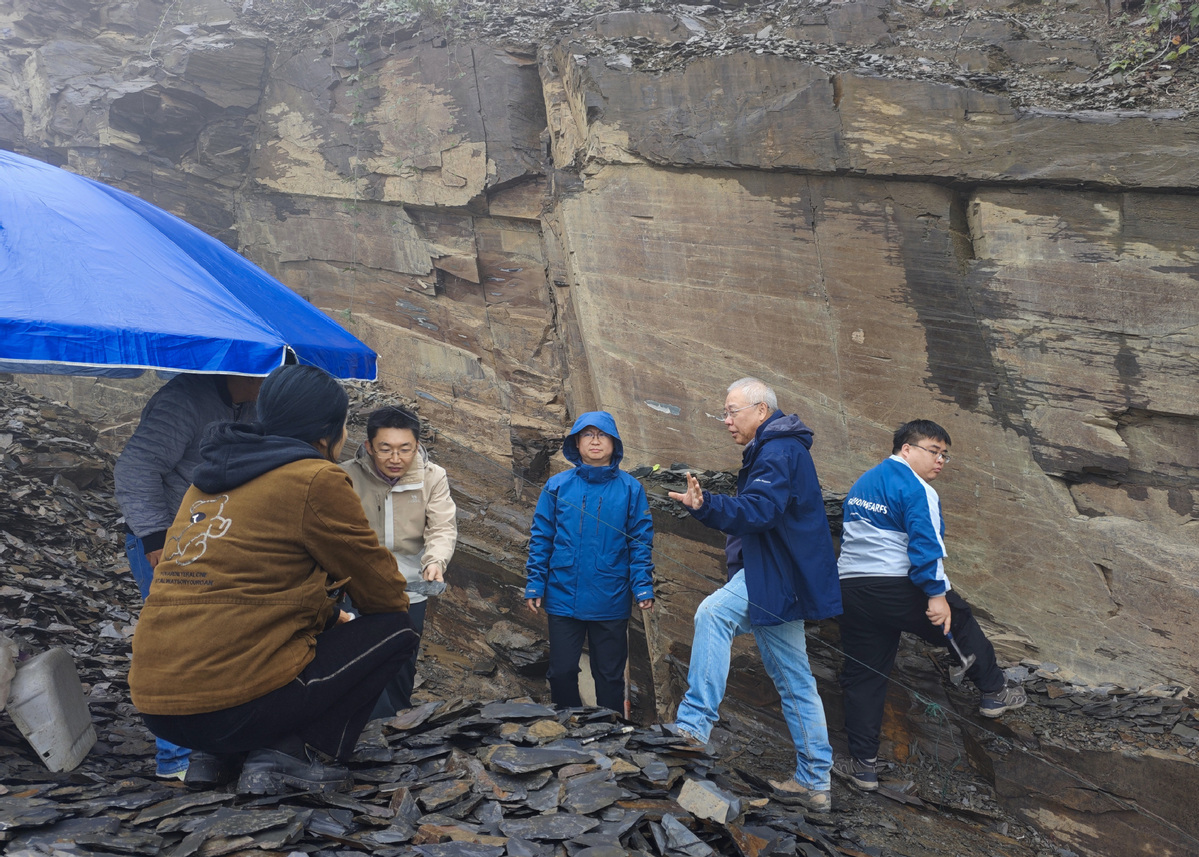
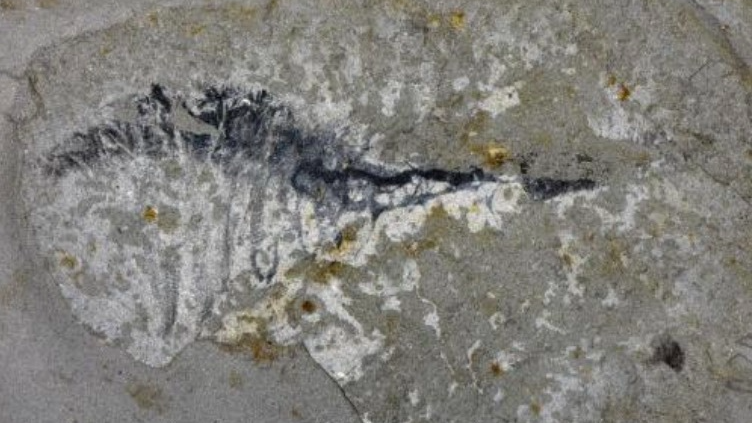
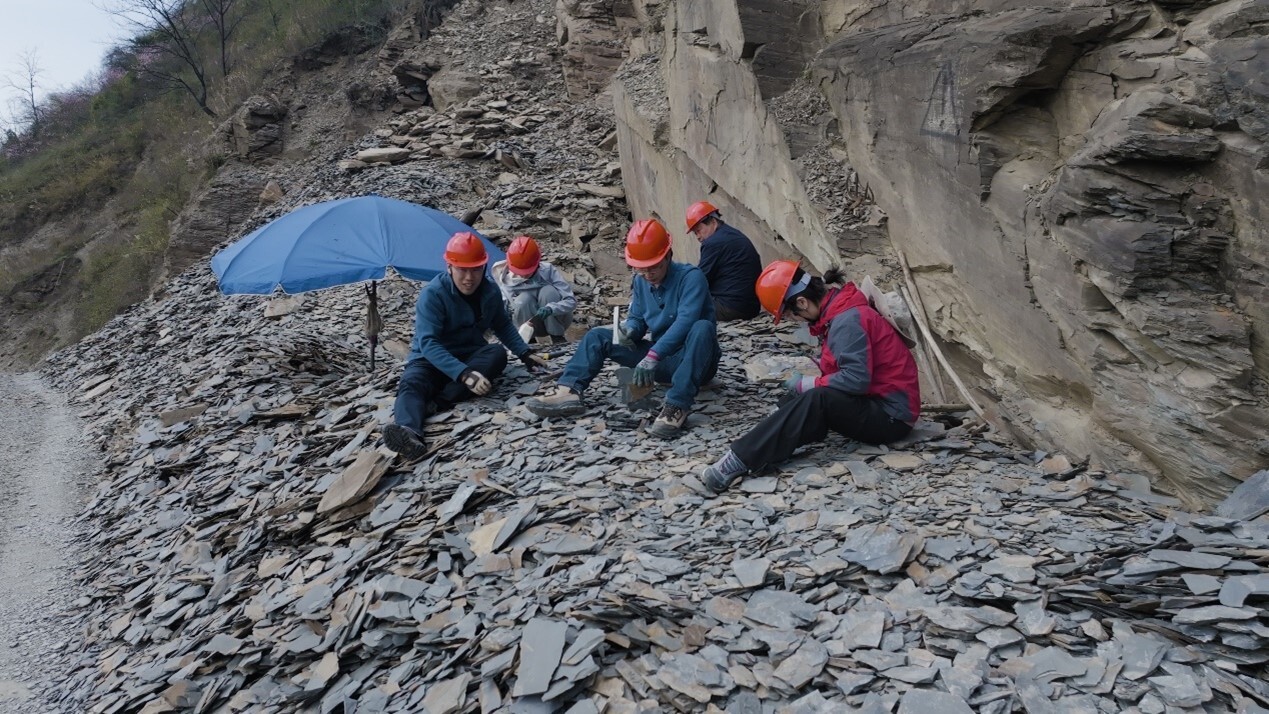
Around 539 million years ago, Earth witnessed the Cambrian explosion — a pivotal event when nearly all major animal groups suddenly emerged in the fossil record, reshaping the planet's biodiversity. However, this biological boom was interrupted by the Sinsk event around 513 million years ago. While scientists know this first mass extinction of the Phanerozoic — the starting age of visible life — caused widespread species loss, its full impact remained unclear due to a lack of soft-bodied fossils from the period immediately after the event.Dr. Zhu Maoyan, researcher and academician of the Chinese Academy of Sciences (second from right), leads a field team investigating an excavation site for fossils in Mozicun, Shilan town, Huayuan county, Xiangxi Tujia and Miao autonomous prefecture, Hunan province. [Photo/Xinhua]Around 539 million years ago, Earth witnessed the Cambrian explosion — a pivotal event when nearly all major animal groups suddenly emerged in the fossil record, reshaping the planet's biodiversity. However, this biological boom was interrupted by the Sinsk event around 513 million years ago. While scientists know this first mass extinction of the Phanerozoic — the starting age of visible life — caused widespread species loss, its full impact remained unclear due to a lack of soft-bodied fossils from the period immediately after the event.Now, a breakthrough by Chinese researchers has filled this gap by discovering a top-tier soft-bodied fossil deposit in Hunan province's Huayuan county — dating shortly after the Sinsk event. This discovery, which sheds light on the first mass extinction event's influence on the Earth system, was published in the journal Nature on Thursday.Over the past five years, the research team, led by scientists from the Nanjing Institute of Geology and Palaeontology of the Chinese Academy of Sciences, has collected and analyzed 50,000 fossil specimens from the Huayuan deposit. They identified 153 animal species, nearly 60 percent of which were new to science.Zhu Maoyan, a CAS academician who led the study, highlighted the uniqueness of the Huayuan fossils, noting that unlike previous fossils, which mostly preserve hard shells or bones, these fossils are extraordinarily well-preserved and diverse. They include soft tissues such as digestive systems, gills, and even nervous systems, offering an unprecedented glimpse into early animal anatomy."The presence of diverse active predators and abundant far-ocean-living tunicate forms reveals a deep-water faunal community with a complex food web and mechanisms for moving carbon from the ocean surface to the deep sea through biological processes," Zhu said.This combo image shows an aminal's fossil from the Huayuan Biota (L) and its restored image. [Photo/Xinhua]Scientists found that the biota thrived in the outer deep-water environment far from shore. By comparing it to other Cambrian fossil sites — such as the famous Chengjiang biota in Yunnan province and the Burgess Shale biota in Canada's Yoho National Park — they found that shallow-water ecosystems suffered catastrophic losses, with many species vanishing after the extinction. Meanwhile, deep-sea communities like Huayuan retained key species that survived the crisis and later repopulated other regions."These findings support that the Sinsk event was likely driven by environmental disasters in shallow waters, such as widespread anoxia," said Zeng Han, an associate researcher at the Nanjing Institute of Geology and Palaeontology."The deep-water environment served as a biotic refugium, where life could endure during mass extinctions," he said, adding that these environments not only preserved ancient lineages but also likely fueled evolutionary innovation, as surviving species adapted to new niches.Robert Gaines, a professor of geology at Pomona College in the United States, spoke highly of the discovery, praising it as "a world-class fossil site" that fills a critical gap in Earth's history. Its high diversity and preservation quality rival those of the Chengjiang and Burgess Shale sites, offering a new benchmark for studying Cambrian ecosystems.
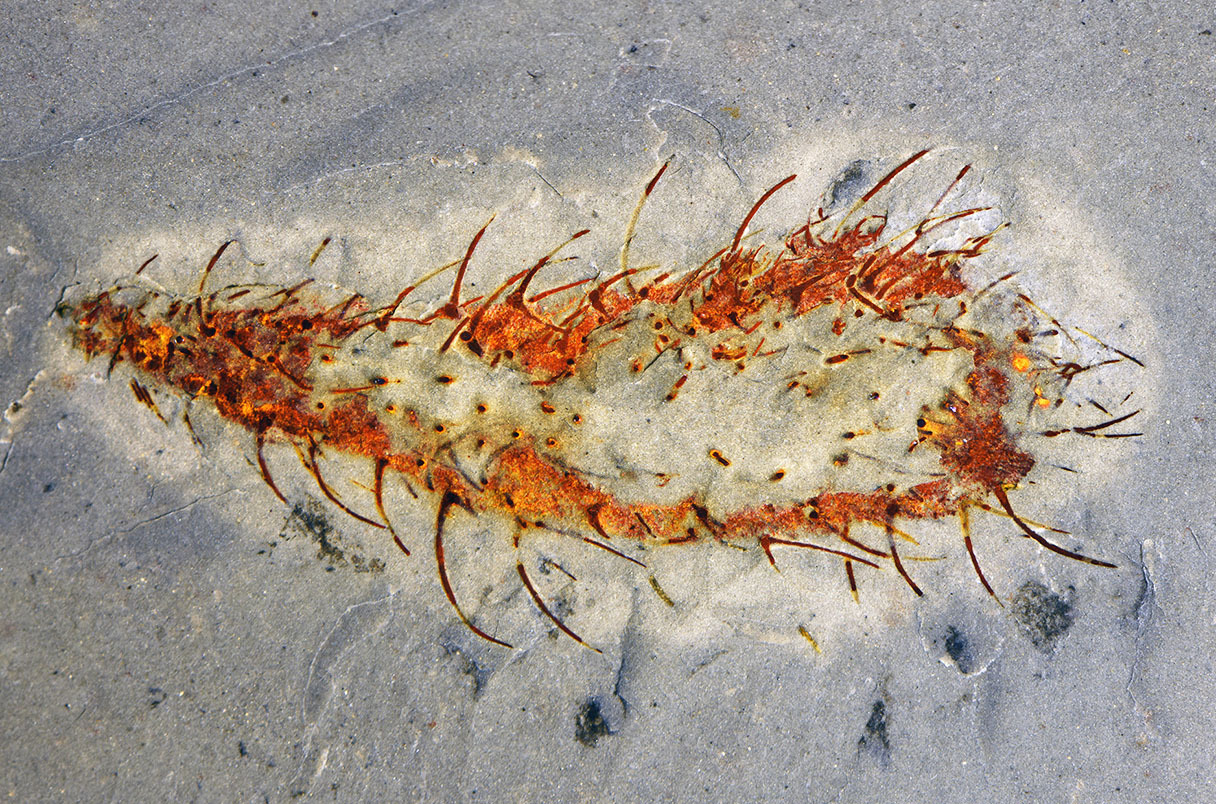
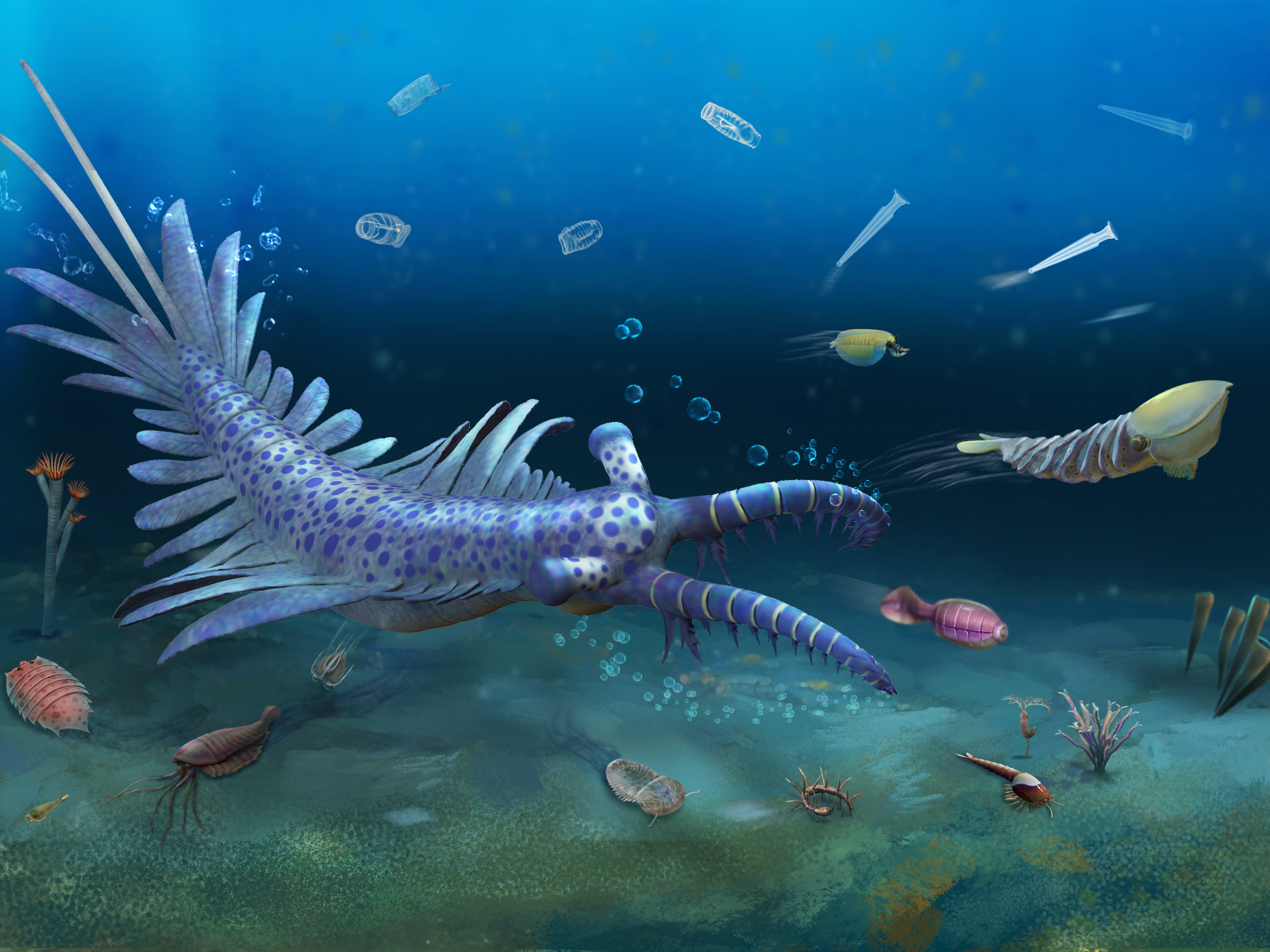
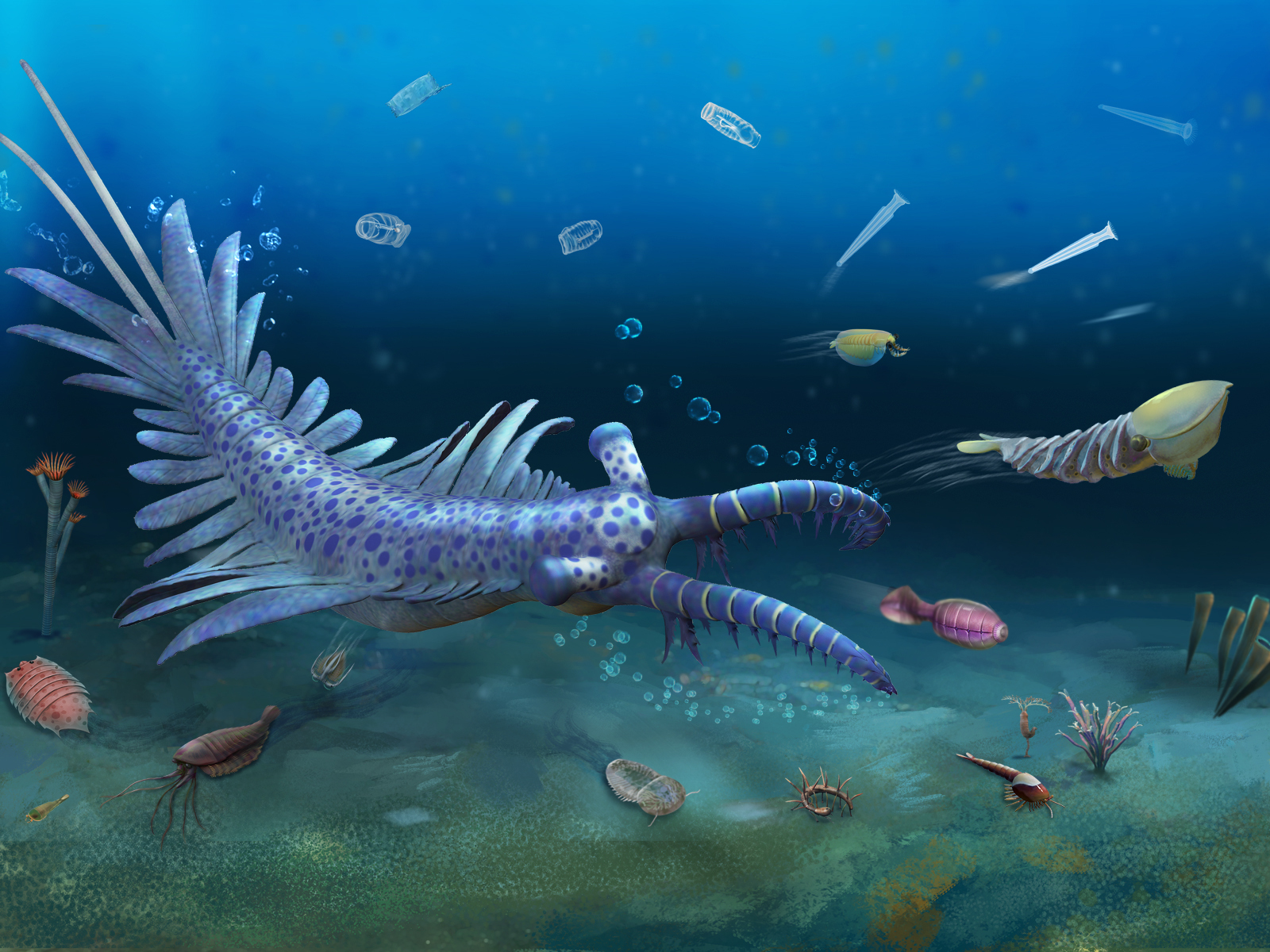
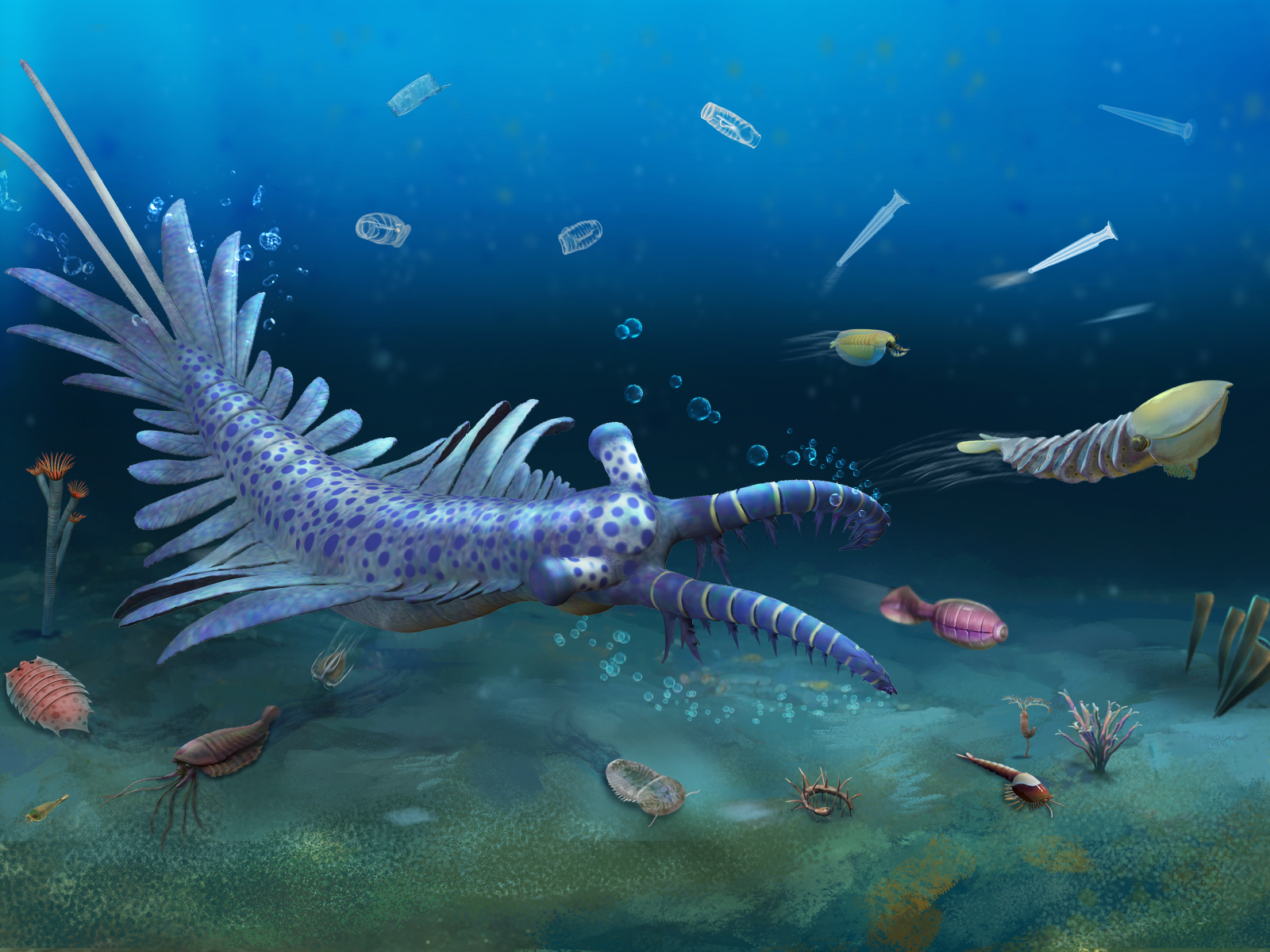
Thousands of newly analyzed fossils discovered at a rock quarry in southern China and dating to 512 million years ago provide new details about what life was like for creatures that survived the mass extinction that capped off a pivotal period of rapid evolution and expansion known as the Cambrian explosion.Thousands of newly analyzed fossils discovered at a rock quarry in southern China and dating to 512 million years ago provide new details about what life was like for creatures that survived the mass extinction that capped off a pivotal period of rapid evolution and expansion known as the Cambrian explosion.During the early stages of the Cambrian era, which stretched from about 541 million to 485 million years ago, increasingly complex life forms filled the seas, setting the stage for the evolution of nearly every phylum alive today. Then, about 513.5 million years ago, major tectonic shifting disrupted the world’s oceans and wiped out about half of the species known to have lived at the time—an obliteration known as the Sinsk Event. Until now, researchers knew little about how this mass extinction affected soft-bodied sea creatures like the distant ancestors of modern sea worms and jellies.The newly described fossils representing 153 species—including a tiny, tubular, spiky Allonnia specimen, pictured above—indicate soft-bodied animals in deep water fared better than those in shallow water, scientists report today in Nature.The fossils—more than half of which were previously unknown—include arthropods, sponges, and other invertebrates. Such diversity hints at a complex food web, the authors write. Evolutionary links between these fossils and their contemporaries found elsewhere around the world suggest underwater ecosystems were more interconnected during the early Cambrian than was previously believed.Link: https://www.science.org/content/article/motley-crew-fossils-illuminates-ancient-mysterious-extinction-event.
Scientists in China have unearthed a treasure trove of ancient fossils that is helping to rewrite the story of one of Earth's earliest and least-understood catastrophes: the first mass extinction of complex animal life.Scientists in China have unearthed a treasure trove of ancient fossils that is helping to rewrite the story of one of Earth's earliest and least-understood catastrophes: the first mass extinction of complex animal life.This event, known as the Sinsk event, struck about 513 million years ago. It occurred not long after the Cambrian explosion, a remarkable period during which all major animal groups first appeared in the oceans. The extinction was severe, wiping out the majority of marine animals, with extinction rates of around 41 to 49 percent-- a toll comparable to the later, more famous mass extinctions like the one wiped out the dinosaurs.For decades, however, our comprehension of this crisis has been incomplete. Evidence came mostly from fossils of skeletonized creatures in shallow seas, which only tell part of the story. The key piece of the puzzle -- a detailed record of soft-bodied animals from the period immediately after the extinction -- had long been missing. This gap made it impossible to see its full impact on ocean life.Now, that gap has been spectacularly filled. A team led by researchers from the Nanjing Institute of Geology and Palaeontology at the Chinese Academy of Sciences (NIGPAS) has announced the discovery of the Huayuan Biota, a stunning collection of fossils dating to about 512 million years ago, right on the heels of the Sinsk event. Their findings have been published in the latest issue of the journal Nature.The story of the discovery began in 2020 in Huayuan County, in central China's Hunan Province, when road construction exposed ancient shale rock layers. Scientists began excavating the area and uncovered an extraordinary site. To date, they have collected over 50,000 fossils. An initial study of thousands of these specimens revealed 153 animal species, with a remarkable 59 percent being completely new to science.What makes the Huayuan Biota so important is the exceptional way in which the soft tissues have been preserved. These fossils capture delicate animals -- early relatives of everything from worms and jellyfish to chordates -- in fine detail, showing features like guts, nerves, and gills. This provides an unprecedented snapshot of a complete ancient ecosystem.According to the study, the biota offers crucial new insights into the extinction event itself. By comparing it with fossil communities from shallow waters, the researchers found that the Sinsk event was devastating for life in sunlit, nearshore environments, likely due to deoxygenation. In contrast, the deep-water Huayuan community appears to have been a refuge, suffering far less. This demonstrates that the extinction's impact was not uniform across the oceans.The discovery also reveals a striking global connection: the Huayuan Biota shares several animal species with the Burgess Shale site in North America, despite these continents being separated by a vast ocean during the Cambrian period. This suggests that ancient marine animals, including some with limited swimming abilities, could disperse across incredible distances, according to the study.International experts have hailed the Huayuan Biota as a fossil deposit of global significance, with diversity at this single site rivaling that of world-renowned fossil localities.By providing the missing link right after a major extinction, it offers invaluable clues about resilience and recovery of the ecosystem, said Zhu Maoyan, a researcher at the NIGPAS."This research not only illuminates a pivotal chapter in our planet's distant past but also helps scientists understand how biodiversity responds to and rebounds from planetary crises," he added. (Xinhua)
Scientists in China have unearthed a treasure trove of ancient fossils that is helping to rewrite the story of one of Earth's earliest and least-understood catastrophes: the first mass extinction of complex animal life. The findings were published in Nature on Thursday.
An extraordinary 512-million-year-old fossil site has been discovered in southern China, preserving in vivid detail almost an entire ecosystem from a time shortly after Earth’s first mass extinction event.
NANJING -- Scientists in China have unearthed a treasure trove of ancient fossils that is helping to rewrite the story of one of Earth's earliest and least-understood catastrophes: the first mass extinction of complex animal life.
Almost a hundred new animal species that survived a mass extinction event half a billion years ago have been discovered in a small quarry in China, scientists revealed Wednesday.
In a groundbreaking discovery that reshapes our understanding of early marine ecosystems, scientists have unveiled a remarkably diverse Cambrian soft-bodied biota, dating back approximately 512 million years. This extraordinary fossil assemblage, known as the Huayuan biota, emerges from a lower Cambrian (Stage 4) Lagerstätte situated on the outer shelf in a deep-water setting of the Yangtze Block, Hunan Province, South China. The findings not only represent one of the richest snapshots of marine life during the nascent stages of the Phanerozoic but also unveil complex ecological dynamics that followed the first major Phanerozoic mass extinction event.